
Embracing a life with less isn’t deprivation; it’s liberation․ Decluttering transcends simple tidying, fostering mental clarity and a more intentional existence․ Minimalism offers profound psychological benefits, reducing stress and enhancing focus, creating space for what truly matters․
Why Decluttering is More Than Just Tidying
Decluttering often gets misconstrued as merely a surface-level cleaning exercise, a quick fix for a messy home․ However, it’s a deeply transformative process extending far beyond aesthetics․ True decluttering is about consciously evaluating your relationship with possessions, questioning their value, and releasing what no longer serves your present life․
It’s a psychological reset, addressing the underlying reasons for accumulation – emotional attachments, fear of scarcity, or impulse buying․ A tidy space doesn’t automatically equate to a clear mind; decluttering actively cultivates mindfulness and intentionality․ It’s about creating a functional, open space that supports your well-being, not just displays your belongings․
Minimalism, at its core, isn’t about deprivation but about prioritizing experiences and relationships over material goods․ Reducing visual clutter simplifies cleaning, saves money, and frees up energy for pursuits that genuinely enrich your life․ It’s a pathway to a more balanced and fulfilling existence, where possessions enhance, rather than define, your identity․
The Psychological Benefits of a Minimalist Lifestyle
Adopting a minimalist lifestyle yields significant psychological rewards, extending far beyond a tidy home․ Reduced stress is paramount; fewer possessions translate to less to clean, organize, and worry about․ This creates a sense of calm and control, freeing mental bandwidth for more meaningful pursuits․
Minimalism fosters greater focus and clarity․ By eliminating distractions, you enhance your ability to concentrate on tasks and appreciate the present moment․ It encourages mindful consumption, breaking the cycle of endless wanting and impulse buying, leading to increased financial freedom and reduced anxiety․
Furthermore, a minimalist approach can boost self-esteem and promote a stronger sense of identity, defined not by what you own, but by who you are․ It cultivates gratitude for what you do have, shifting your perspective from lack to abundance, ultimately fostering a more balanced and fulfilling life․
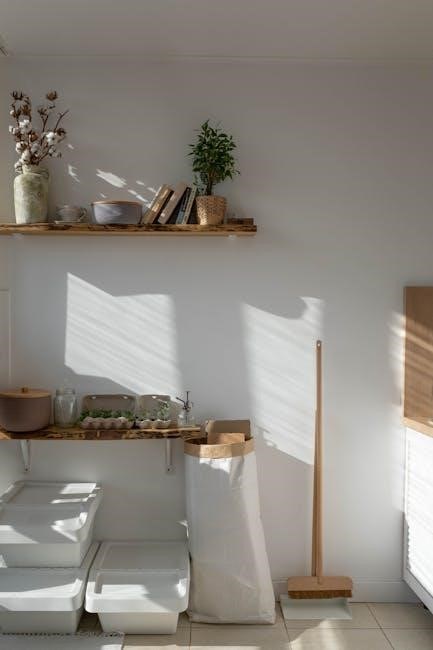
Phase 1: Assessing the Overload
Begin by honestly evaluating your possessions․ Identify clutter hotspots and acknowledge accumulated items․ Preparation is key; understanding the scope of the task sets the stage for successful decluttering․
Identifying Clutter Hotspots in Your Home

The first step towards a clutter-free home is pinpointing those areas where possessions tend to accumulate․ These “hotspots” often reveal underlying patterns of behavior and emotional attachment․ Common culprits include entryways – catch-all zones for shoes, coats, and mail – and kitchen counters, which quickly become burial grounds for appliances and everyday items․
Consider the dining table, often transformed into a temporary storage space․ Bathrooms are notorious for overflowing toiletries and expired products․ Don’t overlook bedrooms, particularly the dreaded “chair pile” where clothes are discarded instead of put away․ Even seemingly organized spaces like home offices can harbor hidden clutter in the form of stacks of paperwork and unused supplies․
Walk through each room with a critical eye, noting areas that consistently feel chaotic or overwhelming․ Pay attention to surfaces – floors, tables, and shelves – as well as storage spaces like closets and drawers; Recognizing these hotspots is crucial for developing a targeted decluttering strategy․ Acknowledging these areas is the first step to reclaiming your space and peace of mind․
The Four-Box Method: Sort, Donate, Keep, Trash
The Four-Box Method is a remarkably effective decluttering technique, providing a simple yet decisive framework for sorting through possessions․ Label four boxes clearly: “Sort,” “Donate,” “Keep,” and “Trash․” Begin with a single area – a drawer, shelf, or corner – and handle each item individually․
The “Sort” box is for items requiring further consideration; things you’re unsure about․ The “Donate” box holds gently used items that can benefit others․ The “Keep” box is reserved for essential, frequently used, or genuinely cherished possessions․ Finally, the “Trash” box is for broken, unusable, or unwanted items․
Be ruthless․ If an item hasn’t been used in a year (or less, depending on your lifestyle), seriously consider donating or discarding it․ Avoid the temptation to keep things “just in case․” Once all items are sorted, immediately deal with the “Donate” and “Trash” boxes․ Review the “Sort” box and make final decisions․ This method transforms overwhelm into manageable action․

Emotional Attachment to Possessions: Recognizing and Addressing It
Decluttering often unearths strong emotional connections to objects․ Recognize that these feelings are normal; possessions often represent memories, aspirations, or a sense of identity․ However, holding onto everything out of sentimentality can lead to overwhelming clutter and stagnation․
Ask yourself: “Am I keeping this item for its inherent value, or for the memory it represents?” If it’s the latter, consider alternative ways to preserve the memory – photographs, journaling, or simply acknowledging the significance․ Letting go of the object doesn’t erase the memory․
Challenge the belief that possessions define your worth․ Practice gratitude for the joy an item once brought, then release it with kindness․ Acknowledge feelings of guilt or sadness, but don’t let them paralyze you․ Remember, creating space for new experiences often requires releasing the old․ Focus on the freedom and peace that come with a less cluttered life․

Phase 2: Decluttering Room by Room
Systematically tackle each space – kitchen, bedroom, bathroom, living room, and office․ Focus on one room at a time, applying decluttering principles diligently for maximum impact and lasting results․
Kitchen Declutter: Appliances, Pantry, and Cookware
Begin with appliances․ Honestly assess usage – that bread maker used once a year? Donate it․ Next, the pantry․ Expired items are obvious, but also scrutinize duplicates and things you simply won’t eat․ Be ruthless!
Cookware is often a major clutter source․ Do you really need three sizes of frying pans? Keep only what you use regularly․ Consider donating gently used pots and pans․ Evaluate specialty items – fondue set, ice cream maker – if they haven’t seen daylight in a year, let them go․
Empty every drawer and cabinet․ Wipe down surfaces․ Reorganize remaining items logically․ Ask yourself: Does this item earn its place in my kitchen? If not, it’s time to say goodbye․ A streamlined kitchen is a more enjoyable kitchen․
Bedroom Declutter: Clothing, Shoes, and Accessories
Start with clothing․ The cornerstone of bedroom decluttering is the ruthless assessment of your wardrobe․ Apply the “worn it in the last year” rule – if not, donate or sell․ Be honest with yourself about fit and style․ Holding onto “someday” clothes is counterproductive․
Shoes are next․ Discard worn-out pairs and those that are uncomfortable․ Limit yourself to versatile, frequently worn styles․ Accessories – jewelry, scarves, belts – often accumulate unnecessarily․ Keep only pieces you love and use regularly․
Empty drawers and closets completely․ Consider a capsule wardrobe approach for streamlined choices․ Donate gently used items to charity․ A clutter-free bedroom promotes relaxation and better sleep․ Remember, less is truly more when it comes to personal belongings․
Bathroom Declutter: Toiletries, Makeup, and Linens
Begin with expired products․ Check the dates on all toiletries and makeup – discard anything past its prime․ Consolidate duplicates; one bottle of shampoo is usually sufficient․ Be realistic about samples; use them or let them go․ Old makeup can harbor bacteria, so prioritize hygiene․
Linens often take up valuable space․ Reduce the number of towels and washcloths to a manageable amount․ Donate gently used linens to animal shelters or charities․ Consider the storage space available and adjust accordingly․
Empty cabinets and drawers completely․ Implement a system for organizing remaining items․ A minimalist bathroom is calming and functional․ Remember, a streamlined space reduces stress and simplifies your routine․ Prioritize quality over quantity in your bathroom essentials․
Living Room Declutter: Furniture, Decorations, and Electronics
Start by assessing furniture․ Is each piece essential and frequently used? Consider donating or selling items that don’t serve a purpose․ Remove excess decorations; a few curated pieces create a more impactful display․ Evaluate sentimental items – keep only those that truly bring joy․
Tackle electronics․ Gather all cords, remotes, and outdated devices․ Dispose of e-waste responsibly․ Consolidate remotes and label cords for easy identification․ A clutter-free entertainment center promotes relaxation․
Think about flow and functionality․ Ensure there’s ample space for movement․ A minimalist living room is inviting and peaceful․ Prioritize comfort and create a space that reflects your style․ Remember, less clutter equals less stress and a more harmonious home environment․
Home Office Declutter: Paperwork, Supplies, and Digital Files
Begin with paperwork․ Shred sensitive documents you no longer need․ Scan essential papers and store them digitally, then discard the physical copies․ Implement a filing system for current documents – categorize and label clearly․ Reduce paper clutter at the source by opting for digital statements and invoices․
Next, address office supplies․ Discard dried-out pens, broken items, and duplicates․ Consolidate remaining supplies into designated containers․ Donate unused items to schools or charities․ A streamlined supply collection boosts productivity․
Finally, declutter digital files․ Organize files into folders and subfolders․ Delete unnecessary documents, photos, and videos․ Back up important data to the cloud or an external drive․ A clean digital workspace enhances efficiency and reduces digital stress․

Phase 3: Digital Decluttering
Reclaim your digital life by streamlining online spaces․ Unsubscribe from unwanted emails, detox from social media, and organize files efficiently․ Embrace digital minimalism!
Email Management: Unsubscribing and Organizing
The digital inbox often mirrors physical clutter, overflowing with unnecessary messages․ Begin by ruthlessly unsubscribing from newsletters and promotional emails you no longer read – a simple click can drastically reduce daily noise․ Utilize email filters to automatically sort incoming mail into folders, categorizing by sender, project, or priority․
Consider a zero-inbox approach, processing each email immediately: respond, delete, delegate, or defer․ For important emails, archive them instead of leaving them in your inbox․ Regularly review archived emails, deleting those no longer needed․ Don’t be afraid to use the “block” feature for persistent unwanted senders․ Aim for a clean, manageable inbox that supports productivity, not overwhelms it․ This digital streamlining contributes significantly to a less cluttered mental space․
Remember, a clear inbox equals a clearer mind!
Social Media Detox: Reducing Screen Time and Following
Social media, while connecting us, can also be a significant source of clutter – not physical, but mental and emotional․ Start by tracking your daily screen time to understand your usage patterns․ Then, intentionally reduce the time spent on platforms, setting daily limits using built-in phone features or apps․
Critically evaluate who you follow․ Unfollow accounts that don’t inspire, educate, or bring you joy․ Focus on quality over quantity, curating a feed that aligns with your values and goals․ Turn off non-essential notifications to minimize distractions․ Schedule specific times for social media engagement, rather than mindlessly scrolling throughout the day․
Consider a complete digital detox – a temporary break from all social media – to reset your relationship with technology and reclaim your attention․ This mindful approach fosters a more present and intentional life․
File Organization: Cloud Storage and Local Backups
Digital clutter can be as overwhelming as physical clutter․ Begin by consolidating files into a logical folder structure on your computer․ Delete anything redundant, outdated, or no longer needed – old documents, duplicate photos, and unnecessary downloads․ Embrace cloud storage solutions like Google Drive, Dropbox, or iCloud for accessibility and automatic backups․
However, don’t rely solely on the cloud․ Maintain a local backup – an external hard drive or a network-attached storage (NAS) device – for added security against data loss․ Regularly review your cloud storage and local backups, deleting unnecessary files to optimize space․
Utilize file naming conventions for easy searching and retrieval․ Consider scanning physical documents and storing them digitally, then shredding the paper copies․ A streamlined digital life contributes significantly to a clutter-free existence․

Phase 4: Maintaining a Clutter-Free Life
Sustain your progress with the “one-in, one-out” rule and a regular decluttering schedule․ Practice mindful consumption, avoiding impulse buys, and cultivate a minimalist mindset for lasting peace․
The One-In, One-Out Rule
The “one-in, one-out” rule is a cornerstone of maintaining a clutter-free home, a simple yet powerful strategy for preventing re-accumulation․ Essentially, for every new item you bring into your space – be it clothing, books, kitchen gadgets, or anything else – you must remove a similar item․ This isn’t about deprivation; it’s about mindful acquisition and respecting the limits of your space․
Consider it a trade: a new shirt necessitates donating or discarding an old one․ A new book means letting go of a previously read title․ This forces you to evaluate the necessity of each purchase, questioning whether the new item truly adds value to your life or if it’s simply filling a void․ It discourages impulse buying and encourages a more deliberate approach to consumption․
Implementing this rule consistently prevents your possessions from spiraling out of control․ It’s a proactive measure, addressing clutter before it becomes overwhelming․ The rule isn’t rigid; you can adapt it to fit your lifestyle, but the core principle remains: maintain a balance between what comes in and what goes out․
Regular Decluttering Schedule: Monthly, Quarterly, Annually
Maintaining a clutter-free life isn’t a one-time event; it requires ongoing effort and a structured schedule․ Implement a tiered decluttering system encompassing monthly, quarterly, and annual reviews to prevent accumulation and maintain order․ Monthly quick sweeps focus on high-traffic areas – countertops, entryways, and frequently used drawers – removing obvious clutter and misplaced items․
Quarterly decluttering dives deeper, tackling specific categories like clothing (seasonal changes are ideal), kitchen gadgets, or bathroom supplies․ This is a good time to assess usage and donate items you haven’t used in the past three months․ Annual decluttering is the most comprehensive, reviewing every room and category, addressing sentimental items, and evaluating overall needs․
Scheduling these decluttering sessions prevents overwhelm․ Treat them like appointments, blocking out dedicated time in your calendar․ Consistency is key; even short, regular decluttering sessions are more effective than infrequent, marathon efforts․ A proactive schedule ensures your home remains a sanctuary, not a storage unit․
Mindful Consumption: Avoiding Impulse Purchases
The cornerstone of a clutter-free life is shifting from reactive consumption to mindful purchasing․ Before acquiring anything new, pause and critically evaluate its necessity․ Ask yourself: Do I truly need this, or simply want it? Will it add genuine value to my life, or will it become another item contributing to the clutter?
Implement a “waiting period” – 24 hours, or even a week – before making non-essential purchases․ This allows you to detach from the initial excitement and assess the item rationally․ Unsubscribe from marketing emails and limit exposure to advertising, reducing temptation․ Focus on experiences rather than possessions, investing in memories instead of material goods․

Cultivate gratitude for what you already have, appreciating the value of existing items․ Repair and repurpose before replacing, extending the lifespan of your belongings․ Mindful consumption isn’t about deprivation; it’s about intentionality, ensuring your purchases align with your values and contribute to a simpler, more fulfilling life․
Developing a Minimalist Mindset
Transitioning to minimalism is more than just physical decluttering; it’s a fundamental shift in perspective․ Embrace the idea that true wealth lies not in possessions, but in experiences, relationships, and personal growth․ Question the societal norms that equate happiness with material accumulation․ Recognize that clutter often masks deeper emotional needs – seeking comfort, security, or identity․
Practice gratitude for what you have, fostering contentment and reducing the desire for more․ Focus on intentionality, consciously choosing to surround yourself only with items that serve a purpose or bring genuine joy․ Accept that letting go doesn’t diminish your worth; it liberates you from the burden of ownership․

Cultivate a mindset of sufficiency, recognizing that you already have enough․ Minimalism isn’t about rigid rules, but about creating a life aligned with your values․ It’s a continuous journey of self-discovery, simplifying your surroundings to amplify what truly matters․

Advanced Techniques
Explore KonMari’s category-based approach, the 90/90 rule for usage assessment, and strategic selling/donation․ Maximize impact and value while refining your minimalist journey further․
KonMari Method: Decluttering by Category
The KonMari Method, pioneered by Marie Kondo, revolutionizes decluttering by shifting focus from location to item category․ Instead of tackling rooms, begin with clothes, then books, papers, komono (miscellaneous items), and finally, sentimental items․ Gather everything from a single category into one pile – a visually impactful step revealing the sheer volume of possessions․
Hold each item and ask yourself, “Does it spark joy?” If it does, keep it․ If not, thank it for its service and let it go․ This isn’t about practicality; it’s about emotional resonance․ Folding clothes vertically, rather than stacking, maximizes drawer space and allows you to see everything at a glance․ Papers should be ruthlessly culled, keeping only those absolutely necessary․ Komono requires careful consideration, discarding duplicates and rarely used items․ Sentimental items are the most challenging, requiring honest self-reflection and acceptance of past experiences․
The KonMari Method isn’t just about tidying; it’s about creating a home filled with items you genuinely love and that support your ideal lifestyle․
The 90/90 Rule: Assessing Usage Frequency
The 90/90 Rule offers a pragmatic approach to decluttering, focusing on recent usage․ Consider each item and ask yourself: Have I used this in the last 90 days? If the answer is no, ask a second question: Will I use it in the next 90 days? Honest self-assessment is crucial; avoid projecting future needs onto items you haven’t touched recently․
This rule is particularly effective for clothing, kitchen gadgets, and hobby supplies․ Items lingering in limbo – “I might need this someday” – are prime candidates for removal․ Exceptions can be made for seasonal items or those with genuine sentimental value, but even these should be carefully scrutinized․ The rule forces you to confront the reality of your habits and identify possessions that are simply taking up space․
Applying the 90/90 Rule consistently can dramatically reduce clutter, creating a more functional and streamlined living environment․ It’s a simple yet powerful tool for discerning what truly adds value to your life․
Selling or Donating: Maximizing Value and Impact
Once you’ve identified items to release, consider their potential value and impact․ Selling gently used goods – through online marketplaces, consignment shops, or yard sales – can recoup some of your initial investment and fund further decluttering efforts․ Prioritize higher-value items for sale, maximizing your financial return․
Donating to charities or non-profit organizations offers a different kind of reward․ It provides a meaningful outlet for unwanted possessions, benefiting those in need and reducing landfill waste․ Research local charities to ensure your donations align with your values․ Consider organizations supporting specific causes you care about․
Responsible disposal is key; avoid simply discarding usable items․ Explore options like textile recycling for clothing and electronics recycling for outdated devices․ By thoughtfully selling or donating, you extend the life cycle of your possessions and contribute to a more sustainable lifestyle․