Manual Soap Dispensers: A Comprehensive Overview (Updated 04/14/2026)
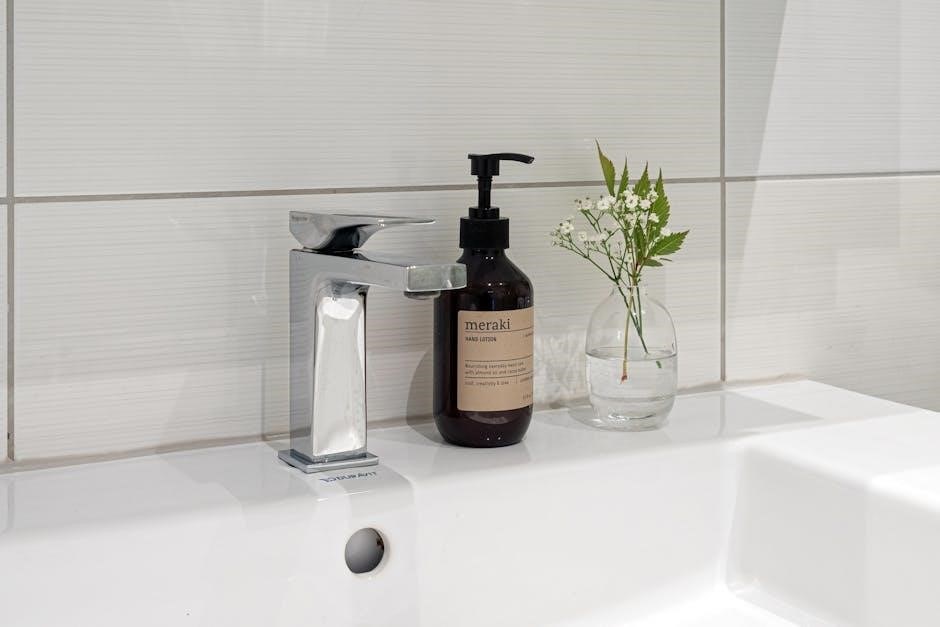
Manual soap dispensers offer a reliable‚ cost-effective hygiene solution‚ utilizing pump mechanisms and reservoirs – often 1000ml – for controlled soap dispensing in diverse settings․
What is a Manual Soap Dispenser?
Manual soap dispensers are hygiene devices that release liquid or foam soap when a user physically presses a pump․ Unlike automatic versions‚ they require direct human interaction for operation․ These dispensers commonly feature reservoirs‚ sometimes utilizing sealed cartridges or open-fill designs‚ holding around 1000ml of soap․
History and Evolution of Soap Dispensing
Historically‚ soap was dispensed via bars or communal containers‚ posing hygiene concerns․ The evolution towards controlled dispensing began with early manual pumps․ Over time‚ designs improved‚ focusing on reducing waste and contamination․ Modern manual dispensers incorporate vacuum-pump systems for complete soap usage‚ representing a significant advancement in hygiene practices․
Types of Manual Soap Dispensers
Manual soap dispensers come in wall-mounted‚ countertop‚ and bag-in-box varieties‚ each offering unique installation options and reservoir capacities for varied applications․
Wall-Mounted Manual Dispensers
Wall-mounted manual soap dispensers are a popular choice for commercial and public restrooms due to their space-saving design and durability․ Typically constructed from robust plastic‚ these dispensers feature a pump mechanism activated by hand pressure․ Installation requires secure mounting to a wall surface‚ ensuring accessibility and preventing tampering․ They often utilize refillable reservoirs or sealed cartridge systems‚ offering convenient maintenance and minimizing mess․
Countertop Manual Dispensers
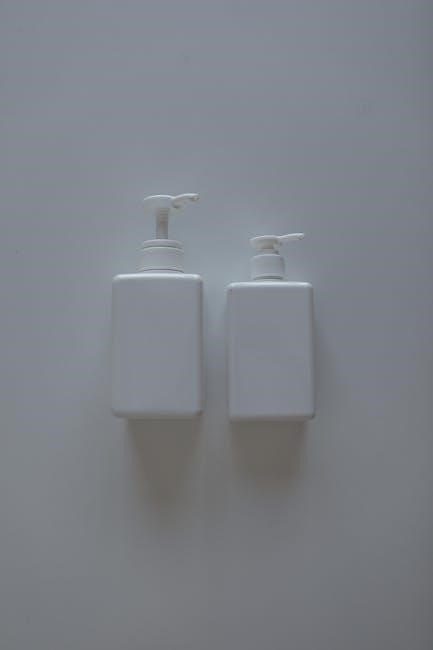
Countertop manual soap dispensers provide a flexible hygiene solution‚ easily placed on any flat surface without installation․ These units commonly feature a durable plastic housing and a manually operated pump for dispensing liquid soap․ Their portability makes them ideal for kitchens‚ offices‚ or smaller restrooms․ Refilling is typically straightforward‚ with open reservoirs or cartridge options available for ease of use․
Bag-in-Box Manual Dispensers
Bag-in-Box manual dispensers utilize a sealed soap bag within a dispensing unit‚ minimizing air exposure and contamination․ A key feature is the effective vacuum-pump system‚ ensuring complete soap dispensing and eliminating residue․ These systems are popular in commercial settings due to reduced waste and simplified refill procedures‚ offering a cost-effective solution․
Key Components and Functionality
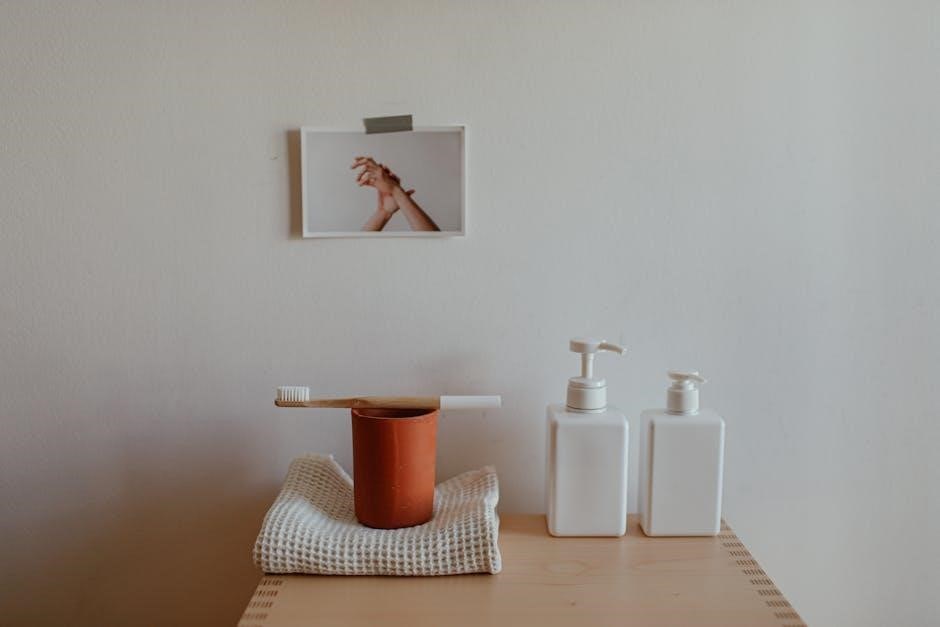
Manual soap dispensers rely on a dispensing pump‚ reservoir design (commonly 1000ml)‚ and sometimes vacuum-pump systems to deliver a controlled soap dose efficiently․
Dispensing Pump Mechanism
The dispensing pump is central to functionality; upon manual compression‚ it draws liquid soap from the reservoir․ This action creates a vacuum‚ initiating the flow․ Effective designs ensure a consistent‚ metered dose with each press․ Quality pumps‚ often metal‚ contribute to longevity and reliable operation‚ preventing clogging and leaks․
Reservoir Design & Capacity (1000ml common)
Reservoir capacity significantly impacts refill frequency; 1000ml is a common size for manual dispensers․ Designs vary‚ including open-fill options for manual refilling and sealed cartridge systems for convenience and reduced mess․ Transparent housings allow easy soap level monitoring‚ while robust construction ensures durability and prevents leaks․
Vacuum-Pump Systems for Complete Dispensing
Vacuum-pump systems are integral to efficient manual soap dispenser operation‚ ensuring nearly complete soap evacuation from the reservoir․ This technology minimizes waste by drawing out remaining product‚ unlike gravity-fed systems․ These systems prevent residue buildup‚ maximizing soap usage and reducing the need for frequent refills․
Advantages of Manual Soap Dispensers
Manual soap dispensers are notably cost-effective and reliable‚ requiring minimal maintenance‚ making them suitable for varied environments and budgets‚ offering practical hygiene․
Cost-Effectiveness Compared to Automatic Options
Manual soap dispensers present a significant economic advantage over automatic counterparts․ Eliminating the need for batteries or electrical connections drastically reduces ongoing operational costs․ The initial purchase price is also generally lower‚ making them ideal for budget-conscious settings․ Furthermore‚ fewer components translate to reduced repair expenses and a longer lifespan‚ contributing to overall savings․
Reliability and Reduced Maintenance
Manual soap dispensers are renowned for their dependable operation and minimal upkeep requirements․ Lacking complex electronic parts‚ they are less prone to malfunctions common in automatic systems․ Simple designs facilitate easy cleaning and refilling‚ while robust construction ensures durability․ The effective vacuum-pump systems further contribute to consistent performance and longevity․
Suitability for Various Environments
Manual soap dispensers excel in diverse settings‚ from high-traffic commercial spaces to residential homes․ Their functionality isn’t reliant on consistent power‚ making them ideal for restrooms lacking electrical outlets․ Both wall-mounted and countertop options cater to different spatial needs‚ offering versatile placement for optimal hygiene access across varied environments․

Installation and Refilling Procedures
Installation typically involves wall mounting‚ while refilling ranges from open-fill reservoirs to utilizing sealed cartridge systems for convenient soap replenishment․
Wall Mounting Instructions
Securely attach the dispenser to the wall using appropriate screws and anchors‚ ensuring it’s level and at a comfortable height․ Mark the screw locations‚ drill pilot holes‚ and firmly fasten the unit․ Regularly inspect the mounting for stability‚ preventing accidental detachment and ensuring long-term‚ reliable operation in high-traffic areas․
Refilling Open-Fill Reservoirs
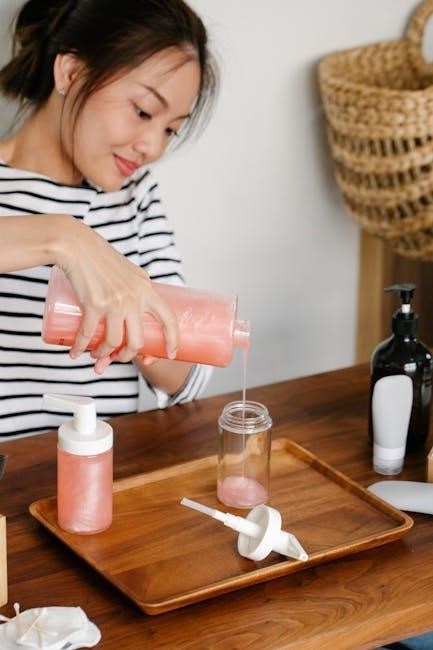
Carefully remove the dispenser’s top or designated access point․ Slowly pour the desired liquid soap into the reservoir‚ avoiding overfilling to prevent leaks․ Ensure the soap is compatible with the dispenser’s materials․ Securely replace the access point‚ verifying a tight seal to maintain hygiene and prevent contamination or spills during use․
Using Sealed Cartridge Systems
To replace a sealed cartridge‚ locate the release mechanism on the dispenser․ Remove the empty cartridge following the manufacturer’s instructions․ Insert the new‚ sealed soap cartridge‚ aligning it correctly with the dispenser’s internal components․ Securely lock the cartridge into place‚ ensuring a proper seal for optimal functionality and hygiene․
Troubleshooting Common Issues
Common problems include leaks‚ pump failure‚ or airlocks․ Addressing these promptly—checking for clogs or vacuum pump function—ensures consistent‚ hygienic soap dispensing performance;
Soap Leaks and Drips
Persistent leaks or drips often indicate a worn pump mechanism or loose connections within the dispenser․ Inspect the pump head and valve for damage‚ ensuring a tight seal․ Regularly cleaning around the nozzle prevents soap buildup contributing to drips․ If leaks continue‚ consider replacing the pump assembly or checking for cracks in the reservoir itself‚ potentially requiring a full dispenser replacement․
Pump Failure and Clogging
Pump failure can stem from hardened soap residue or debris obstructing the internal mechanism․ Clogging prevents proper soap flow‚ requiring disassembly and thorough cleaning with warm water․ For stubborn blockages‚ a mild solvent may be necessary‚ ensuring complete rinsing before reassembly․ If the pump remains unresponsive‚ replacement is often the most practical solution․
Air Locks in the System
Air locks occur when air bubbles become trapped within the dispenser’s pump and tubing‚ hindering soap flow․ Repeatedly pressing the pump can often dislodge the air․ If unsuccessful‚ carefully tilting and gently shaking the dispenser may release the blockage․ Ensuring the reservoir is adequately filled minimizes air entry‚ preventing future occurrences․

Materials Used in Construction
Manual soap dispensers commonly feature plastic housings for durability‚ while pumps and valves often utilize metal components to ensure reliable and long-lasting operation․
Plastic Housing Materials
Manual soap dispenser housings frequently employ various plastics‚ balancing cost-effectiveness with durability․ Polypropylene is a common choice due to its resistance to many chemicals found in soaps․ ABS plastic offers increased impact resistance‚ suitable for high-traffic areas․
The plastic shell often includes a viewing window‚ allowing users to monitor soap levels without needing to disassemble the unit‚ enhancing convenience and reducing maintenance needs․
Metal Components (Pumps‚ Valves)
Manual soap dispenser functionality relies heavily on metal components within the pump mechanism and valves․ Stainless steel is frequently used for these parts due to its corrosion resistance‚ ensuring longevity and preventing contamination․
These metallic elements facilitate the precise dispensing of soap‚ withstanding repeated use and maintaining consistent performance over time‚ even with various soap formulations․
Maintenance and Cleaning
Regular cleaning of manual soap dispensers prevents clogging and bacterial growth; disinfecting procedures should be implemented routinely to maintain optimal hygiene standards․
Regular Cleaning Schedule
Establish a consistent cleaning routine for manual soap dispensers‚ ideally daily for high-traffic areas․ Wipe down the exterior with a damp cloth and mild disinfectant․ Weekly‚ disassemble components if possible‚ rinsing thoroughly to remove soap buildup․ Inspect the pump mechanism for clogs and address them promptly to ensure consistent functionality and hygiene․
Disinfecting Procedures
Regular disinfection is crucial․ After cleaning‚ use a disinfectant spray or wipe approved for surfaces․ Focus on high-touch areas like the pump and dispensing nozzle․ Allow the disinfectant to dwell for the recommended time before wiping clean․ For sealed cartridge systems‚ disinfect the exterior; avoid internal contact․
Commercial vs․ Residential Applications
Commercial spaces demand high-capacity‚ durable dispensers‚ while residential use prioritizes aesthetics and smaller sizes for convenient‚ everyday handwashing needs․
Specific Needs of Commercial Spaces
Commercial environments‚ like healthcare facilities and restaurants‚ require robust manual soap dispensers capable of withstanding frequent use and rigorous cleaning protocols․ High-volume capacity – often exceeding 1000ml – minimizes refill frequency‚ reducing maintenance burdens․
Durability is paramount‚ alongside features like tamper-resistance and compatibility with various soap formulations․ Vacuum-pump systems are crucial to ensure complete soap dispensing‚ minimizing waste and cost․
Home Use Considerations
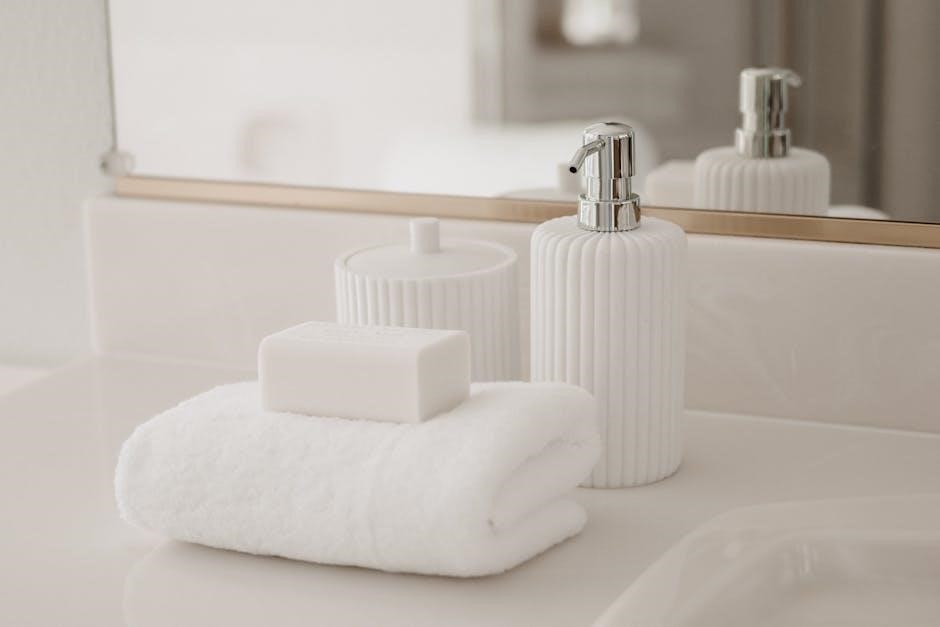
For residential use‚ manual soap dispensers prioritize aesthetics and ease of use․ Countertop models are popular for their convenience‚ while wall-mounted options save space․ Smaller reservoir capacities are generally sufficient for household needs‚ though refill frequency increases․
Consider soap type compatibility and ease of refilling – open-fill reservoirs or cartridge systems both offer viable options‚ balancing cost and convenience for the homeowner․
The Role of Manuals and Documentation
User manuals are crucial for proper installation‚ refilling‚ and troubleshooting of manual soap dispensers; online resources like Manualzz facilitate easy access to documentation․
Importance of User Manuals
Comprehensive user manuals are essential for maximizing the lifespan and efficiency of manual soap dispensers․ They detail proper installation – including wall mounting – and safe refilling procedures for both open-fill reservoirs and sealed cartridge systems․ Manuals also provide critical troubleshooting guidance for common issues like leaks‚ pump failures‚ and airlocks‚ ensuring optimal performance and minimizing maintenance needs․
Finding Manuals Online (Manualzz example)
Locating manuals is simplified through online resources like Manualzz․ This platform converts uploaded documents into a searchable format‚ offering access to a vast library of manuals․ Users can find documentation by entering keywords‚ viewing details like page count‚ or even uploading their own PDFs to contribute to the resource․
Environmental Considerations
Manual dispensers reduce soap waste through controlled dispensing and encourage the use of sustainable materials in construction‚ minimizing environmental impact․
Reducing Soap Waste
Manual soap dispensers‚ particularly those employing vacuum-pump systems‚ are designed for complete soap evacuation‚ eliminating residual product left in containers․ This feature minimizes waste compared to dispensers that leave unused soap behind․ Controlled dispensing further prevents overuse‚ contributing to significant soap conservation efforts in both commercial and residential environments․
Sustainable Material Options
Manual soap dispensers increasingly utilize recycled plastics in their housing construction‚ reducing reliance on virgin materials and minimizing environmental impact․ Manufacturers are exploring bio-plastics and other sustainable alternatives․ Choosing dispensers made from recycled content supports circular economy principles and promotes responsible consumption‚ aligning with eco-conscious practices․
Future Trends in Soap Dispenser Technology
Hybrid systems combining manual and automatic features‚ alongside improved pump designs for efficiency and reduced clogging‚ represent emerging trends in soap dispenser technology․
Hybrid Systems (Manual/Automatic)
Emerging hybrid soap dispenser systems aim to blend the reliability of manual operation with the convenience of automatic activation․ These innovative designs might feature a manual pump supplemented by a touchless sensor‚ offering a backup dispensing method during power outages or for users preferring manual control․
Such systems could optimize hygiene and reduce reliance on batteries‚ providing a versatile solution for various environments and user preferences․
Improved Pump Designs
Advancements in pump technology are focusing on enhanced durability‚ reduced clogging‚ and more consistent soap delivery in manual dispensers․ Manufacturers are exploring new materials and internal geometries to optimize pump efficiency and minimize the need for frequent maintenance․
Vacuum-pump systems‚ ensuring complete soap dispensing‚ are also being refined for broader application․
Choosing the Right Manual Soap Dispenser
Selecting the ideal dispenser requires considering capacity needs‚ mounting options‚ compatible soap types‚ and verifying brand reputation alongside warranty details for lasting value․
Factors to Consider (Capacity‚ Mounting‚ Soap Type)
When selecting a manual dispenser‚ assess capacity based on usage frequency; 1000ml is common․ Mounting – wall-mounted or countertop – depends on space․ Ensure compatibility with your chosen soap; some pumps work best with specific viscosities․ Consider sealed cartridge systems versus open-fill reservoirs for ease of refilling and potential mess reduction․
Brand Reputation and Warranty
Opting for a reputable brand often ensures durability and consistent performance of the manual soap dispenser․ Research customer reviews and consider manufacturers known for quality construction‚ like McKesson․ A solid warranty provides peace of mind‚ covering potential defects in materials or pump mechanisms‚ safeguarding your investment against premature failure․
Safety Precautions
Always handle soap refills with care‚ avoiding skin or eye contact․ Ensure secure wall mounting to prevent dispenser falls and potential damage during installation․
Proper Handling of Soap Refills
When refilling manual soap dispensers‚ always wear appropriate personal protective equipment‚ like gloves‚ to avoid skin irritation․ Carefully follow the manufacturer’s instructions for your specific model․ Avoid mixing different soap types‚ as this could cause clogging or damage the pump mechanism․ Securely close refill containers after use to prevent spills and contamination‚ ensuring a hygienic environment․
Avoiding Damage During Installation
To prevent damage during installation‚ carefully inspect the dispenser and mounting surface․ Use appropriate tools and hardware‚ ensuring a secure fit without over-tightening screws․ Avoid applying excessive force‚ which could crack the housing or damage internal components․ Consult the user manual for specific guidance and diagrams to ensure correct assembly and prevent future issues․
Comparison with Automatic Soap Dispensers
Manual dispensers contrast with automatic options in power source‚ cost‚ and maintenance; offering a reliable‚ budget-friendly alternative with simpler functionality and fewer potential failures․
Pros and Cons of Each Type
Manual soap dispensers excel in affordability and reliability‚ needing no power source and minimal maintenance․ However‚ they require physical contact‚ potentially spreading germs‚ and offer less consistent dosage․ Automatic dispensers‚ conversely‚ are hygienic and provide controlled portions‚ but depend on batteries or electricity and generally involve higher upfront and maintenance costs․
Cost Analysis
Manual soap dispensers present a lower initial investment‚ typically ranging from $10 to $50 per unit‚ alongside inexpensive soap refills․ Automatic options demand a higher upfront cost – $50 to $200+ – plus ongoing battery or electricity expenses․ Considering long-term costs‚ manual dispensers often prove more economical‚ especially for high-traffic areas․