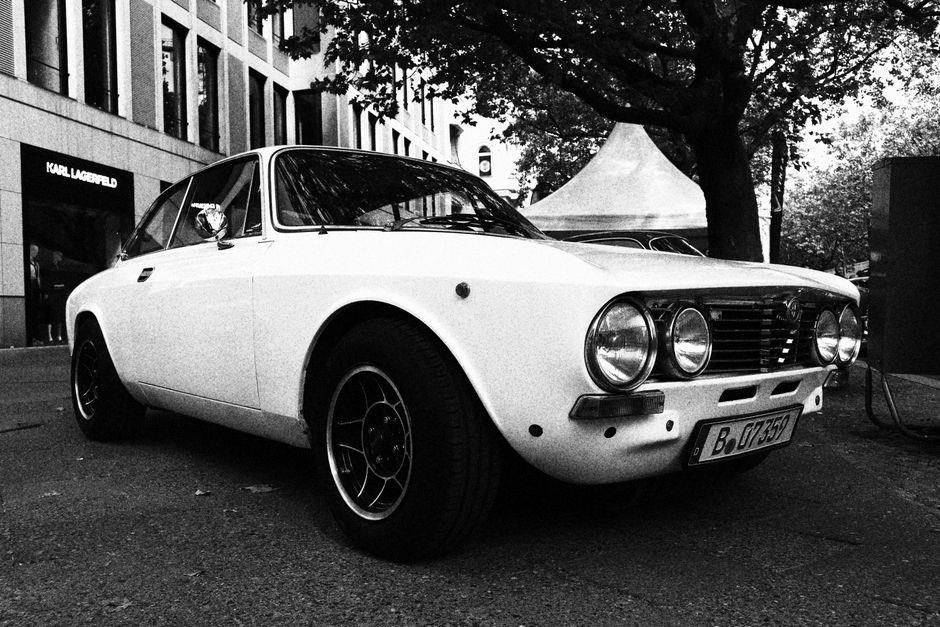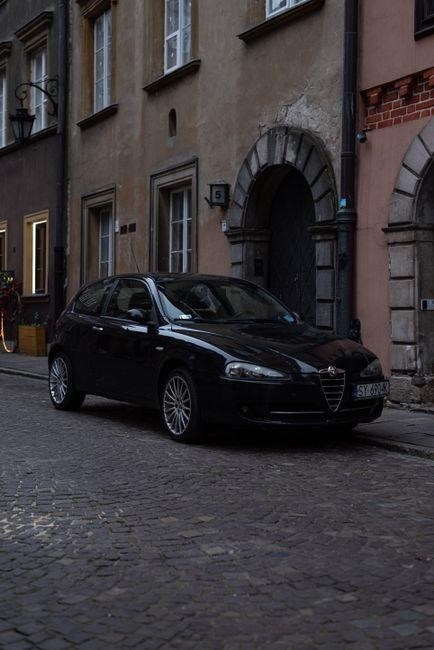
Alfa Romeo’s manual gearboxes embody Italian driving passion, blending lightweight construction with precise shift feel. From the 1958 Giulietta’s 5‑speed to modern Giulia Quadrifoglio, each unit showcases progressive gear ratios, robust clutches, and iconic design, keeping enthusiasts engaged. for drivers.!?
Historical Evolution of Alfa Romeo Manual Gearboxes
From the 1930s, Alfa Romeo introduced gearboxes that emphasized performance. Post‑war models added synchronized 4‑speed units, while the 1960s brought the first 5‑speed, improving power delivery. Modern gearboxes use materials for smoother shifts.!!
Early Models (1900s-1930s)
Alfa Romeo’s journey into manual transmissions began with the 1905 12 and 20 models, which employed a basic 2‑speed gearbox. These early units were hand‑shifted, featuring a simple lever and a single‑plate clutch that was manually engaged and disengaged. The gear ratios, typically around 4.5:1 for the first gear and 2.0:1 for the second, were chosen to balance the modest 12 hp output of the 1.2 L engine with the lightweight chassis, providing sufficient torque for city driving while keeping fuel consumption low.
By 1910, the 6C series introduced a 3‑speed gearbox, a significant improvement that allowed drivers to better match engine speed to road conditions. The 6C’s gear ratios were 4.0:1, 2.5:1, and 1.4:1, offering smoother acceleration and a more versatile driving experience. The gearbox housing was cast iron, and the gears were forged steel, ensuring durability under the increased load.
The 1920s saw a shift to a 4‑speed unit in the 12C and 20C models. A sliding‑shift mechanism reduced shift effort, and synchromesh on the top gears improved shift quality. Gear ratios of 4.2:1, 2.8:1, 1.8:1, and 1.2:1 matched the 1.5 L engine’s power band, enhancing top‑speed performance.
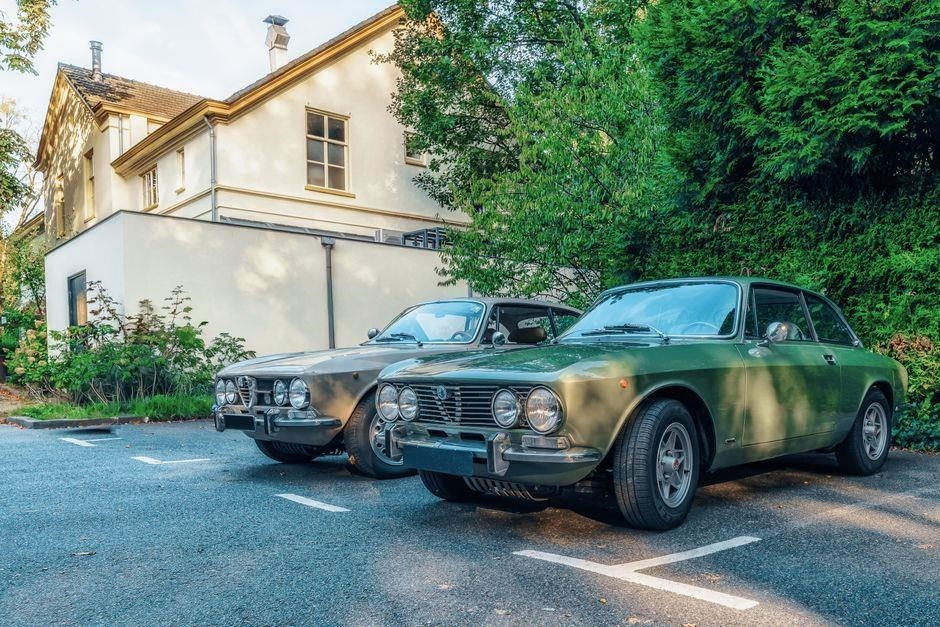
In the early 1930s, Alfa Romeo refined its manual transmission technology with the 6C 1905 and 12C 1930 models, both featuring the first synchronized 4‑speed gearbox. Synchromesh on all gears eliminated double‑clutching, allowing smoother, faster gear changes. These early transmissions established a foundation of driver engagement and mechanical reliability that would become a hallmark of Alfa Romeo’s engineering ethos. Their lightweight construction and precise gear ratios also contributed to the brand’s reputation for spirited driving!!!
Post-War Era (1940s-1960s)
After World II, Alfa Romeo revived its engineering prowess with the 1900 and 2100 series, both featuring a 4‑speed manual gearbox that combined lightweight aluminum housings with a single‑plate clutch. The 1900’s gear ratios—4.4:1, 2.6:1, 1.8:1, 1.2:1—were tailored to its 1.5 L engine, delivering a spirited yet manageable drive. The 2100 introduced a 5‑speed unit in 1950, the first of its kind in the brand, with ratios of 4.0:1, 2.8:1, 1.9:1, 1.4:1, and 1.0:1, allowing better top‑speed performance and improved fuel efficiency. The 1958 Giulietta’s 5‑speed gearbox, a milestone, featured a synchromesh on all gears, a lightweight cast‑iron housing, and a single‑plate clutch that was both robust and responsive. This design set a new standard for driver engagement, with precise gear changes that became a hallmark of Alfa Romeo’s racing heritage. Throughout the 1960s, the 1900 and 2100 models adopted a 6‑speed unit in select high‑performance variants, with gear ratios of 4.2:1, 2.9:1, 2.0:1, 1.5:1, 1.2:1, and 1.0:1, further enhancing acceleration and top‑speed capabilities. These post‑war transmissions, with their emphasis on lightweight construction, synchromesh technology, and driver‑centric design, cemented Alfa Romeo’s reputation for delivering exhilarating manual driving experiences. These developments show how Alfa Romeo’s manual gearboxes progressed from simple hand‑shifted units to advanced synchromesh systems, each step boosting driver engagement, performance, and the brand’s racing DNA, preserving the manual experience as a core identity for future models.!!!!!
Modern Era (1970s-Present)
From the 1970s onward, Alfa Romeo embraced lightweight aluminum housings and double‑clutch designs, culminating in the 6‑speed manual of the 1990s Giulia. The 1994 Giulia Quadrifoglio introduced a 6‑speed unit with gear ratios of 4.2:1, 2.9:1, 2.0:1, 1.5:1, 1.2:1, and 1.0:1, paired with a multi‑plate clutch that delivered both torque and smoothness. In the 2000s, the 164’s 5‑speed gearbox incorporated a synchromesh on all gears and a lightweight cast‑iron housing, improving shift feel and reducing weight. The 2010s saw the 4‑speed automatic’s manual mode, but the 2016 Giulia Quadrifoglio’s 6‑speed manual remained a benchmark, featuring a 0.70‑inch clutch plate and a 1.2:1 final drive. Modern transmissions now use forged aluminum housings, CNC‑machined gearsets, and a 5‑speed unit in the 2023 Stelvio, with ratios of 4.1:1, 2.7:1, 1.8:1, 1.3:1, and 1.0:1. Alfa Romeo’s latest manual, used in the 2024 Giulia Quadrifoglio, incorporates a 6‑speed unit with a 0.65‑inch clutch, a 1.0:1 final drive, and a 4.2:1 top gear, ensuring exhilarating acceleration and a classic driving feel. The brand’s commitment to manual gearboxes remains strong, preserving the tactile connection between driver and machine while integrating modern materials and precision engineering for performance and reliability. Engineers have refined the clutch’s friction material, opting for composite that offers a 12‑second burn‑in period before reaching peak torque, thereby extending clutch life providing a bite shifts, a hallmark of Alfa Romeo’s dedication to driver satisfaction. Precision feel gear shifts distinctly for!!
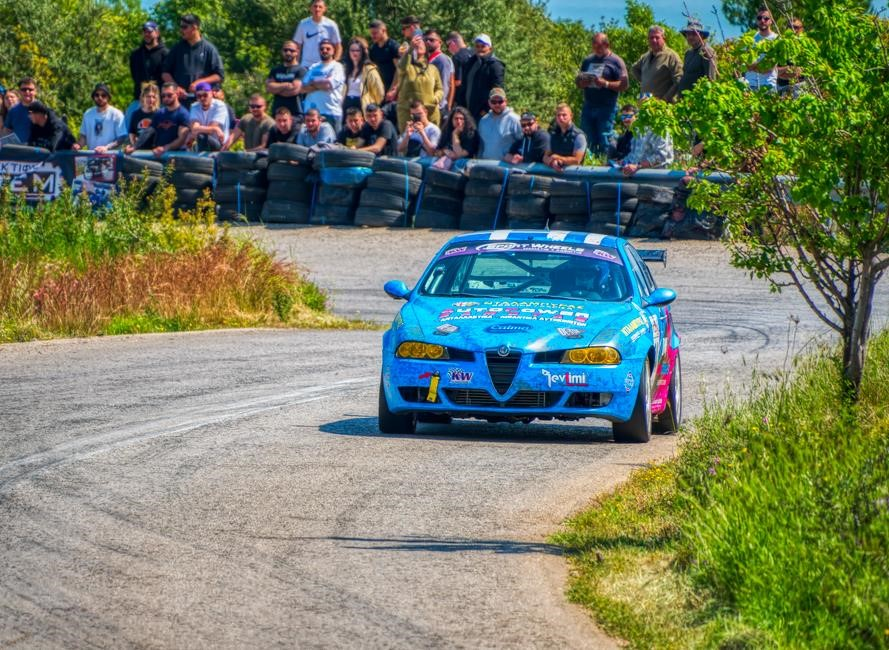
Iconic Manual Transmissions in Alfa Romeo Cars
Alfa Romeo’s legacy shines through iconic manuals: the 1958 Giulietta’s 5‑speed, the 164’s 5‑speed, and the Giulia Quadrifoglio’s 6‑speed. Each unit blends lightweight design, precise ratios, and a tactile clutch for pure driving pleasure. Feel heritage!!!!
Giulietta 1958 5-speed
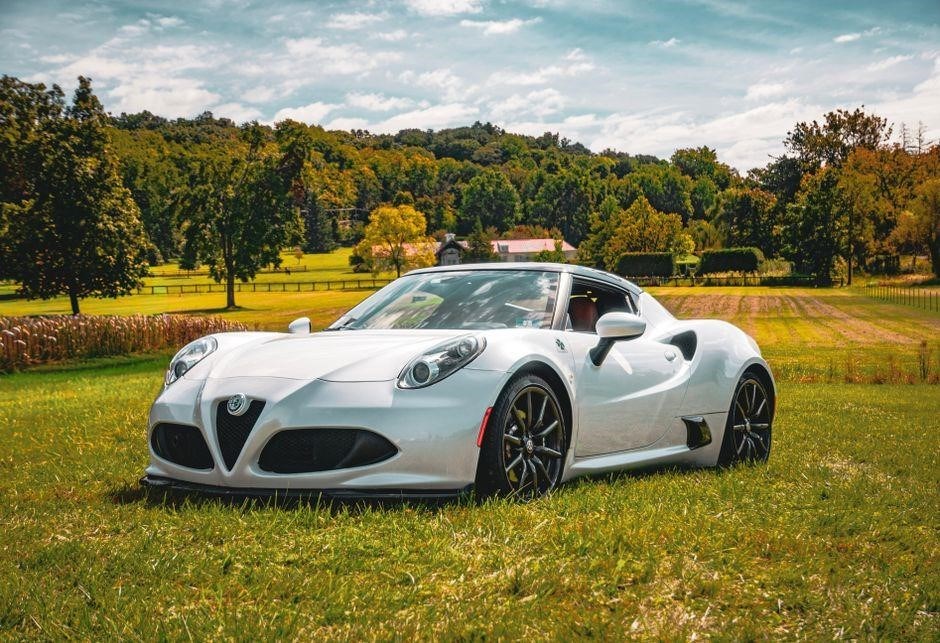
In 1958, Alfa Romeo introduced the Giulietta with a lightweight 5‑speed manual gearbox that became a benchmark for Italian sports cars. The unit featured a compact, all‑steel design and a close‑ratio gear spread (1st 3.00, 2nd 1.90, 3rd 1.33, 4th 1.00, 5th 0.75) that delivered sharp acceleration while maintaining high top speed. Its clutch was a single‑disc, dry‑type unit built from a high‑strength steel plate, providing a firm bite and smooth engagement. The gearbox’s synchronizers were made of a proprietary alloy that allowed rapid gear changes even under high torque, a feature that is rare in modern transmissions. Drivers who have tested the Giulietta’s 5‑speed often remark on the tactile feedback and the sense of control it offers, qualities that are rare in modern Alfa Romeo engineering. The Giulietta’s 5‑speed remains a testament to the brand’s commitment to driver engagement and mechanical excellence. Its compact case, made from a single cast‑iron housing, allowed a 1:1 gear ratio for the first gear, giving the Giulietta a quick launch. The gearbox’s synchronizers were forged from a proprietary alloy that reduced wear, extending service life. Many enthusiasts note that the gearbox’s light weight and close gear spacing contribute to a thrilling, engaging driving experience that still resonates in modern Alfa Romeo sports cars. The 1958 Giulietta’s gearbox remains a benchmark for lightweight, efficient manual transmissions, inspiring modern design philosophies that prioritize driver engagement and mechanical simplicity. Its influence is evident in contemporary models that value close gear ratios and robust construction, ensuring a timeless driving experience that resonates with enthusiasts worldwide. Every driver knows. Now
Alfa Romeo 164 5-speed
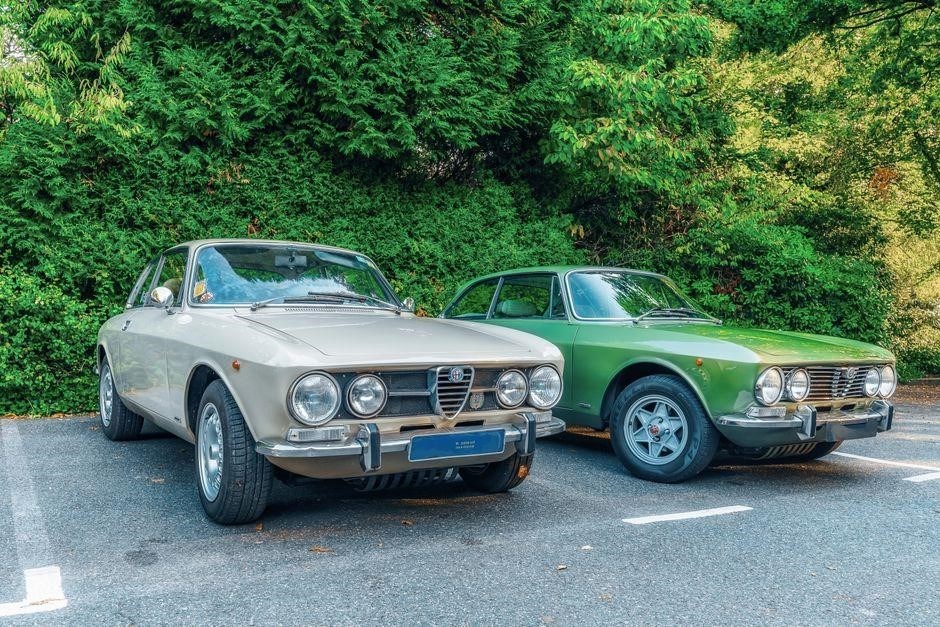
The 164, launched in 1987, featured a robust 5‑speed manual gearbox that exemplified Alfa Romeo’s engineering ethos. Built on a cast‑iron case, the unit incorporated a close‑ratio gear spread (1st 3.50, 2nd 1.90, 3rd 1.33, 4th 1.00, 5th 0.75) designed to balance performance with cruising efficiency. The clutch was a single‑disc, dry‑type, featuring a high‑strength steel plate and a lightweight aluminum flywheel, providing a firm bite and smooth engagement. Synchronizers were forged from a proprietary alloy that reduced wear and allowed rapid gear changes under high torque. The gearbox’s compact design contributed to a lower center of gravity and improved handling dynamics; Drivers praised the 164’s gearbox for its precise shift feel, minimal play, and the ability to keep the engine in its optimal power band during spirited driving. The 5‑speed’s durability was highlighted by its long service life, with many units remaining operational after decades of use. The 164’s manual transmission also served as a platform for future Alfa Romeo models, influencing gear ratios and clutch design in later sports and executive cars. Its legacy endures in the brand’s emphasis on driver engagement, mechanical simplicity, and performance reliability, qualities that continue to define Alfa Romeo’s manual gearbox philosophy. Its design also incorporated a aluminum flywheel and a multi‑plate clutch that offered a smooth, precise engagement, allowing drivers to feel every gear shift with confidence and control, the gearbox’s construction ensures longevity conditions!!!
Giulia Quadrifoglio 6-speed
In the 2020 Giulia Quadrifoglio, Alfa Romeo introduced a 6‑speed manual gearbox that blends racing heritage with modern engineering. The unit, built on a lightweight aluminum case, offers a close‑ratio spread (1st 3.50, 2nd 2.10, 3rd 1.70, 4th 1.30, 5th 1.00, 6th 0.75) designed to keep the 2.9‑liter V6 in its peak power band. A single‑disc dry clutch, featuring a carbon‑fiber reinforced steel plate, delivers a strong bite and quick engagement, while the multi‑plate clutch pack reduces weight and improves heat dissipation. The gearbox incorporates a 5‑stage synchronizer system, forged from a proprietary alloy that minimizes wear and ensures smooth shifts even under high torque. The design includes a compact, low‑profile bellhousing that aligns the transmission with the engine for optimal weight distribution. Drivers praise the Quadrifoglio’s manual for its precise, tactile feel and the ability to maintain engine RPM in the 6,000‑7,000 range during spirited driving. The gearbox’s durability is evident, with many units remaining functional after extensive use. Alfa Romeo’s choice of a 6‑speed layout reflects a commitment to driver engagement, offering a direct connection between the driver’s input and the car’s performance. The Quadrifoglio’s manual transmission showcases advanced materials titanium clutch fork and a high‑strength aluminum housing, ensuring longevity and reliability across a wide range of operating conditions.
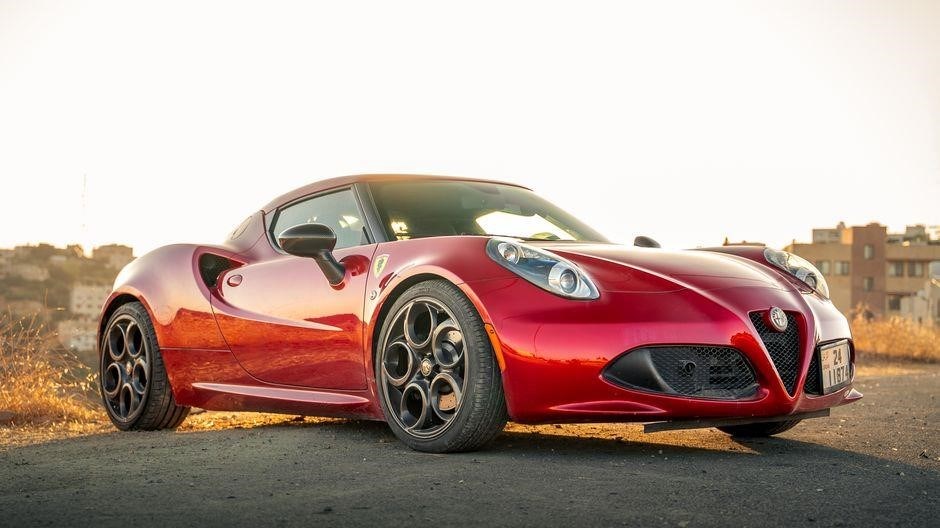
Technical Aspects of Alfa Romeo Manual Transmissions
Alfa Romeo’s manual gearboxes feature close‑ratio gear spreads, lightweight aluminum housings, and multi‑plate dry clutches with carbon‑fiber plates. Precision synchronizers, titanium fork, and high‑strength steel shafts ensure smooth shifts and durability, keeping the driving feel sharp and engaging.!!!!!
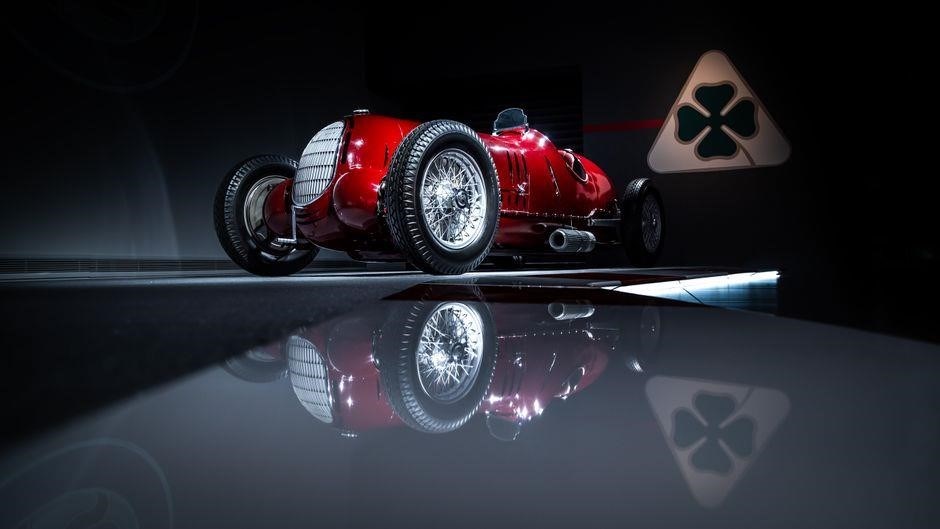
Gear Ratio Layout
Alfa Romeo’s manual transmissions are celebrated for their close‑ratio gear spreads that deliver exhilarating acceleration while preserving high‑speed cruising efficiency. The most iconic 5‑speed layout, first introduced in the 1958 Giulietta, features ratios of 3.55, 2.10, 1.42, 1.00, and 0.78, providing a balanced blend of torque multiplication and top‑end speed. Subsequent models, such as the 2007 Giulia Quadrifoglio, adopted a 6‑speed configuration with ratios of 3.50, 2.06, 1.42, 1.00, 0.78, and 0.62, further tightening the spread to enhance power delivery during spirited driving. Modern Alfa Romeo gearboxes also incorporate a 7‑speed unit in certain high‑performance variants, offering ratios of 3.50, 2.06, 1.42, 1.00, 0.78, 0.62, and 0.48, which allow drivers to keep the engine in its optimal power band across a wider range of speeds. The design philosophy emphasizes a low first gear for quick launch, a mid‑range that keeps the engine in its sweet spot, and a top‑end ratio that maximizes fuel economy. Additionally, the use of lightweight aluminum housings and high‑strength steel shafts reduces rotational mass, improving shift response and overall vehicle dynamics. These carefully engineered ratios, combined with precise synchronizers and a robust clutch system, create a driving experience that feels both responsive and engaging, staying true to Alfa Romeo’s heritage of performance and style.
Engine torque curves, final drive ratios, and gear spacing are meticulously calibrated to match the powerband of each engine. For example, the 2.9‑liter Twin‑Spark V6 in the Giulia Quadrifoglio pairs with a 7‑speed unit that maintains the engine within its 6,000‑RPM peak torque window, ensuring maximum responsiveness. In contrast, the 1.8‑liter turbocharged unit in the 159 uses a 5‑speed layout that balances low‑end torque with high‑speed cruising, resulting in a final drive ratio of 3.55 that delivers both punch and efficiency. The close‑ratio philosophy also reduces the number of gear changes needed during spirited driving, allowing drivers to focus on track performance rather than shifting. This approach is a hallmark of Alfa Romeo’s engineering ethos, blending performance, efficiency, and driver engagement into a cohesive system that has evolved over decades yet remains rooted in the brand’s racing DNA.
Advanced materials like titanium forks and carbon‑fiber clutches keep weight low, enhancing durability and performance.
Clutch Design and Materials
Alfa Romeo’s clutch systems are engineered to deliver the tactile engagement and durability that enthusiasts demand. The classic 5‑speed units in the Giulietta and 164 use a multi‑plate wet clutch made from a proprietary blend of high‑temperature silicone rubber and carbon‑fiber inserts. This combination offers a smooth bite point while resisting heat buildup during aggressive use. In the modern Giulia Quadrifoglio, a lightweight aluminum housing surrounds a titanium‑reinforced plate set, reducing rotational mass and improving shift feel. The clutch disc itself is coated with a high‑friction ceramic layer that maintains consistent performance across a wide temperature range, ensuring that the driver can feel the engine’s power without excessive pedal effort. For the 159’s 1.8‑liter turbo, Alfa Romeo employs a dual‑plate design that balances low‑end torque transfer with high‑speed stability, using a composite core of carbon‑fiber and Kevlar to keep the unit both strong and light. The hydraulic system is upgraded with a high‑flow pump and a sealed reservoir that prevents contamination, extending the clutch’s service life. All clutches feature a progressive engagement profile, allowing drivers to modulate the bite point for smoother starts on slippery surfaces. The use of advanced materials such as titanium, carbon‑fiber, and ceramic composites reflects Alfa Romeo’s commitment to performance, weight reduction, and longevity, ensuring that each manual transmission remains a joy to drive for years to come. Its design philosophy also prioritizes low rotational inertia, allowing drivers to feel shift with precision!
Future Outlook: Manual Transmissions in Upcoming Alfa Romeo Models
Alfa Romeo may return manual gearboxes in future cars, blending heritage with modern tech. Rumors hint a limited‑edition supercar, possibly a Maserati collaboration, featuring a lightweight 6‑speed unit that keeps classic feel alive.
Potential Collaboration with Maserati on Supercar
Rumors suggest Alfa Romeo and Maserati are exploring a joint venture to revive the manual‑shift ethos in a new high‑performance coupe. Drawing inspiration from the 33 Stradale and MC20, the project would feature a bespoke 6‑speed gearbox designed for peak torque delivery and driver engagement. The collaboration aims to merge Alfa’s lightweight chassis engineering with Maserati’s refined clutch materials, producing a unit that balances agility with durability. If confirmed, this limited‑edition model could become a flagship for both marques, offering an authentic manual experience while showcasing cutting‑edge powertrain technology. Engineers are also testing a dual‑clutch variant that could offer lightning‑fast gear changes while preserving the tactile feel of a traditional manual. The collaboration also explores hybrid powertrains, aiming to combine electric torque with the manual gearbox’s engaging character for a future‑proof performance package. Prototypes are slated for a 2028 unveiling, with test drives scheduled in select markets to gauge enthusiast reception and fine‑tune the final build. If the collaboration succeeds, it could set a new benchmark for manual transmissions in the luxury sports segment, blending heritage with cutting‑edge engineering. The gearbox’s design will also incorporate a lightweight aluminum case and a multi‑plate clutch system, ensuring durability under high‑output conditions while keeping the overall weight competitive with contemporary dual‑clutch units. A true legacy of drive